
Owning real estate can be rewarding, but every property comes with responsibilities that extend far beyond paying the mortgage and keeping up with routine maintenance. Homes, rental properties, commercial buildings, and investment properties can all develop problems that affect safety, appearance, value, and day-to-day use. Some issues appear gradually, while others happen without warning and require immediate attention.
Property owners who understand the most common risks are better positioned to respond quickly and avoid unnecessary damage. Knowing when to call specialized professionals can also prevent a small concern from becoming a larger and more expensive problem. From pest activity and fallen trees to fire, water, mold, and hazardous cleanup, preparation plays an important role in protecting a property over time.
The following issues are among the problems real estate owners should be ready to recognize and address. Having a plan for each one can make it easier to protect the building, maintain safe conditions, and reduce disruptions for occupants, tenants, customers, or visitors.
Preparation should also include property records that are easy to access during an emergency. Owners can keep insurance information, photographs of rooms and exterior features, contractor contacts, utility shutoff locations, appliance records, warranties, inspection reports, and maintenance histories in one file. For rental or commercial properties, managers should also know how to reach tenants, vendors, building staff, and emergency contacts without delay. Reviewing this information helps ensure that phone numbers, policies, and service agreements remain current. It can also make conversations with insurers, restoration companies, and repair professionals more efficient after an event. Although documentation cannot prevent damage, it can reduce confusion when fast decisions are necessary. Pairing good records with regular inspections, preventive maintenance, and a reliable network of professionals gives property owners a stronger foundation for handling both routine concerns and serious emergencies.
Preventing Pest and Termite Damage
Pests can cause more than an inconvenience. Certain insects and rodents can damage wood, insulation, wiring, stored materials, and other parts of a structure. Property owners may first notice droppings, damaged packaging, unusual odors, gnaw marks, nests, or sounds inside walls and ceilings. Small warning signs can point to a larger infestation that may already be affecting hidden areas.
Professional pest control services can help identify the type of pest involved, locate entry points, and recommend an appropriate treatment plan. Regular inspections can also help property owners catch activity before it spreads throughout a building. This is particularly important in rental and commercial properties where multiple occupants, food storage, or frequent deliveries can increase the chances of pest activity.
Termites require special attention because they can remain hidden while feeding on structural wood. Termite control services may include inspections, localized treatments, soil applications, bait systems, or ongoing monitoring, depending on the property and level of activity. Owners should also reduce moisture around foundations, repair leaks, keep wood away from soil, and address damaged siding or trim that could create entry points.
Preventive measures are often easier to manage than major structural repairs. Maintaining records of inspections and treatments can also help property owners track recurring issues and make informed decisions about future maintenance.
Managing Trees, Stumps, and Overgrowth
Trees add shade, privacy, and visual appeal, but they can also create hazards when they become damaged, diseased, unstable, or overgrown. Large branches may hang over roofs, driveways, utility lines, parking areas, or neighboring properties. Storms, high winds, soil erosion, and root damage can increase the chance of limbs or entire trees falling unexpectedly.
A professional tree cutting service can evaluate trees that appear unsafe and determine whether trimming, pruning, or removal is appropriate. Property owners should avoid attempting to remove large trees on their own because the work can involve heavy equipment, climbing, power tools, and unpredictable weight shifts. Professionals can also account for nearby structures, vehicles, fences, and electrical lines when planning the work.
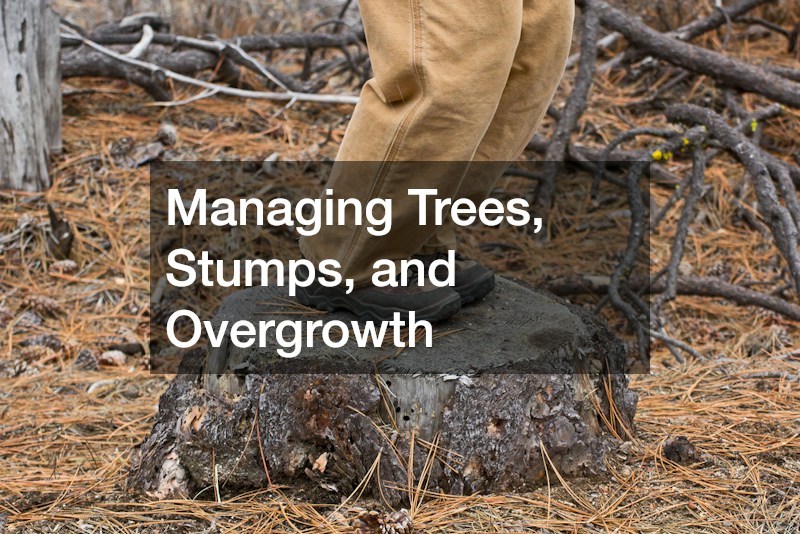
After a tree is removed, the remaining stump can still create problems. It may become a tripping hazard, attract insects, interfere with landscaping, or make mowing more difficult. Stump removal services can grind or remove the remaining wood and roots so the area can be reused for grass, planting, paving, or other improvements.
Regular tree inspections can help owners identify leaning trunks, dead branches, cracks, fungal growth, or exposed roots before severe damage occurs. Keeping trees maintained supports curb appeal while reducing avoidable risks to buildings and outdoor spaces.
Addressing Graffiti and Exterior Vandalism
Graffiti can quickly change the appearance of a residential or commercial property. It may appear on brick, concrete, siding, fences, doors, signs, dumpsters, retaining walls, and other exterior surfaces. Even a small amount of vandalism can make a property look neglected and may concern tenants, customers, neighbors, or prospective buyers.
Fast graffiti removals can help restore the appearance of the property and reduce the chance that additional tagging will occur. The correct removal method depends on the surface, type of paint or marker, and age of the graffiti. Pressure washing, chemical cleaners, paint matching, and surface restoration may all be used in different situations.
Property owners should be cautious about using harsh products without first understanding how they may affect the underlying material. Aggressive cleaning can discolor brick, strip protective coatings, damage siding, or leave visible patches that are difficult to correct. Professional cleaners can choose products and techniques that are better suited to each surface.
Owners can also reduce future incidents by improving exterior lighting, trimming landscaping that blocks visibility, installing cameras where appropriate, and repairing damaged gates or fencing. Prompt attention to graffiti helps maintain the appearance of the property and communicates that the site is actively managed.
Handling Waste and Large-Scale Cleanouts
Real estate ownership often creates more waste than standard household trash service can handle. Renovations, tenant turnovers, estate cleanouts, landscaping projects, office moves, and construction work can generate large amounts of debris in a short period. Leaving waste piled around a property can create safety concerns, attract pests, block access, and lead to complaints.
Commercial dumpster and trash pickup services can give property owners a practical way to manage high-volume waste. Dumpster size, placement, pickup frequency, and permitted materials should all be considered before scheduling service. Owners may also need to check local rules regarding where a container can be placed and how long it can remain on the property.
Certain materials may require separate handling. Paint, chemicals, batteries, electronics, appliances, and hazardous substances cannot always be placed in a standard dumpster. Understanding these restrictions in advance can prevent delays or additional fees.
For rental properties and commercial buildings, planned waste removal can make turnover periods more efficient. Clearing abandoned furniture, damaged materials, packaging, and renovation debris quickly allows maintenance teams to begin repairs sooner. Organized cleanup also helps keep parking areas, sidewalks, loading zones, and common spaces usable while work is underway.
Responding to Trauma and Biohazard Situations
Some property problems require more than ordinary cleaning. Accidents, unattended deaths, violent incidents, sewage exposure, and other biohazard events can leave behind blood, bodily fluids, contaminated materials, or other substances that create health and safety concerns. These situations can also be emotionally difficult for owners, families, tenants, or employees.
Trauma cleanup services are equipped to manage affected areas using specialized protective equipment, cleaning products, containment procedures, and disposal methods. The goal is not simply to make the area look clean. Proper remediation also involves removing contaminated materials and reducing the risk of exposure to pathogens or other hazardous substances.
Property owners should avoid asking untrained maintenance staff, tenants, or family members to handle this type of cleanup. Materials such as carpet, padding, drywall, furniture, flooring, or personal belongings may need to be removed depending on the extent of contamination. Professionals can assess what can be cleaned and what should be discarded.
Discretion is also important, especially in residential communities or workplaces. Experienced cleanup teams can often work efficiently while limiting unnecessary attention to the situation. Once the affected area has been remediated, property owners can coordinate any repairs, painting, flooring replacement, or restoration that may be needed before the space is used again.
Recovering From Fire and Smoke Damage
A fire can affect far more than the area where flames were visible. Smoke, soot, heat, and firefighting efforts can damage walls, ceilings, flooring, furniture, electrical systems, insulation, and ventilation equipment throughout a building. Even a relatively small fire may leave odors and residue in rooms that were not directly burned.
Fire damage cleaning services can help remove soot, smoke residue, damaged materials, and persistent odors. Cleaning methods vary depending on the surfaces involved and the type of fire. For example, greasy soot from a kitchen fire may require a different process than residue from burned wood, plastics, or electrical components.
Before cleanup begins, owners should make sure the building has been cleared for safe entry by the appropriate authorities. Structural damage, exposed wiring, weakened floors, and contaminated water can create serious hazards. Insurance documentation may also be important, so photographs and inventories should be collected before damaged materials are discarded when it is safe to do so.
After emergency cleanup, additional repairs may include replacing drywall, insulation, flooring, cabinetry, windows, or roofing materials. Coordinating cleaning and reconstruction carefully can help property owners move from emergency response to full restoration with fewer delays.
Controlling Water Damage Before It Spreads
Water can damage a building quickly, whether it comes from a burst pipe, leaking roof, overflowing appliance, broken water heater, storm, foundation problem, or plumbing failure. Moisture can soak into drywall, wood framing, insulation, flooring, cabinetry, and personal property. The longer materials remain wet, the greater the chance of deterioration and secondary problems.
Water damage restoration typically begins with stopping the source of the water, removing standing water, and drying the affected area. Professional equipment such as pumps, air movers, dehumidifiers, and moisture meters can help identify and remove moisture that may not be visible on the surface.
Property owners should not assume that a room is dry simply because the floor or walls feel dry to the touch. Moisture can remain behind baseboards, under flooring, inside wall cavities, and within insulation. Hidden moisture can weaken materials and create conditions that support mold growth.
Quick action is especially important in rental and commercial properties where damaged areas may affect multiple occupants or business operations. Owners should document the source, areas affected, repairs made, and drying process. Once the structure is dry, damaged materials can be repaired or replaced, and the original cause should be corrected to reduce the risk of another incident.
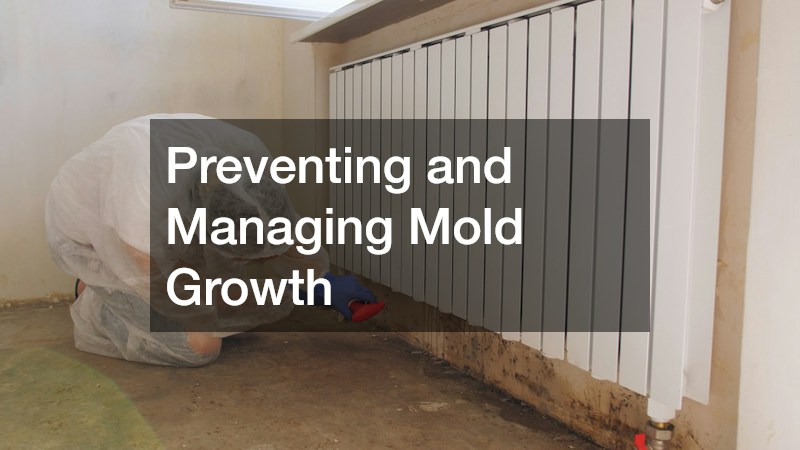
Preventing and Managing Mold Growth
Mold commonly develops where moisture remains for an extended period. Leaking roofs, plumbing problems, damp basements, poor ventilation, flooding, and unresolved water damage can all create conditions that allow mold to grow. It may appear as discoloration on walls, ceilings, grout, wood, or other surfaces, but it can also develop in hidden areas.
Mold experts can inspect affected spaces, identify moisture sources, and determine the extent of the problem. Depending on the situation, remediation may involve containment, air filtration, removal of damaged porous materials, surface cleaning, and drying. Simply painting over visible growth or applying household cleaner may not address contamination that extends behind walls or beneath flooring.
Property owners should pay close attention to recurring musty odors, condensation, peeling paint, water stains, and areas that remain damp. These signs can indicate an underlying moisture problem even when visible mold is limited. Fixing the water source is an essential part of preventing the problem from returning.
Ventilation, dehumidification, roof maintenance, plumbing inspections, and prompt repairs after leaks can all help reduce risk. Real estate owners who respond early to moisture problems are better positioned to protect building materials, maintain usable indoor spaces, and avoid more disruptive remediation later.
Property problems are unavoidable in some form, but preparation gives owners more control over how they respond. Keeping contact information for qualified service providers, scheduling preventive inspections, documenting repairs, and addressing warning signs early can make a significant difference. A proactive approach helps protect property value, limit disruption, and keep buildings safer and more functional over the long term.
