

If you’re getting ready to sell your home, you’re probably wondering which upgrades are worth your time and which ones won’t move the needle on your final sale price. Here’s some good news: you don’t need a kitchen remodel or a new roof to make a real difference. A single weekend spent refreshing your home’s exterior and key interior spaces can boost buyer interest and add real dollars to your final offer. This guide walks you through exactly what to prioritize, why it works, and how to get it done efficiently.
Why Exterior Appearance Sets the Tone for Every Showing
Buyers form an opinion about a home before they ever step through the front door, and that first impression carries weight through the entire showing. A tired, faded exterior can make buyers assume the rest of the house has been neglected too, even if that’s far from true. On the flip side, a clean, well-maintained exterior signals pride of ownership and gives buyers confidence that the home has been cared for.
This is why real estate agents consistently rank curb appeal projects among the highest return-on-investment improvements a seller can make. The good news is that most of this work does not require a full repaint or major renovation to make an impact. Small, targeted efforts over a single weekend can meaningfully shift how buyers perceive the value of your home.
Deep Cleaning Your Home Exterior Before Listing Photos
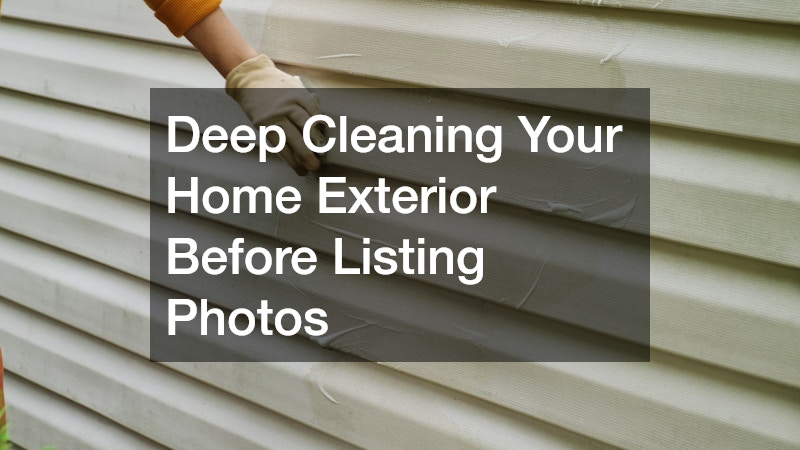
Grime, algae, and pollen buildup on siding, walkways, and driveways can make an otherwise beautiful home look dated in listing photos. Since most buyers browse homes online before ever scheduling a showing, your exterior needs to look sharp in photographs first. Investing a few hours in pressure washing services for your siding, walkways, and driveway can dramatically brighten these surfaces and make your home look newer and better maintained.
Hiring house washers for a one-time deep clean is typically affordable and can be scheduled quickly, often within a day or two of calling. Many companies offer bundled packages that cover the driveway, siding, deck, and even the roofline in a single visit.
- Siding and brick facades often hide years of dirt that only becomes visible once cleaned
- Driveways and walkways benefit from oil stain and algae removal
- Wood decks and fences look years newer after a thorough wash
- Gutters and downspouts can be rinsed to remove visible streaking
Choosing Between a DIY Wash and a Professional Service
Renting a pressure washer for a weekend is possible, but it comes with risks if you’re not familiar with the equipment. Too much pressure on old siding, wood decking, or painted surfaces can cause damage that costs more to fix than the cleaning saves you. Professionals understand which settings and nozzles work for different materials, which protects your home from accidental harm.
If your schedule is tight before listing, hiring out this task frees you up to focus on decluttering, staging, and other pre-sale tasks. Many home power washing services can complete an average-sized home’s exterior in a few hours, making it realistic to schedule this project on a Friday and still have the weekend free for other preparations.
Refreshing Trim, Shutters, and Front Doors With New Paint
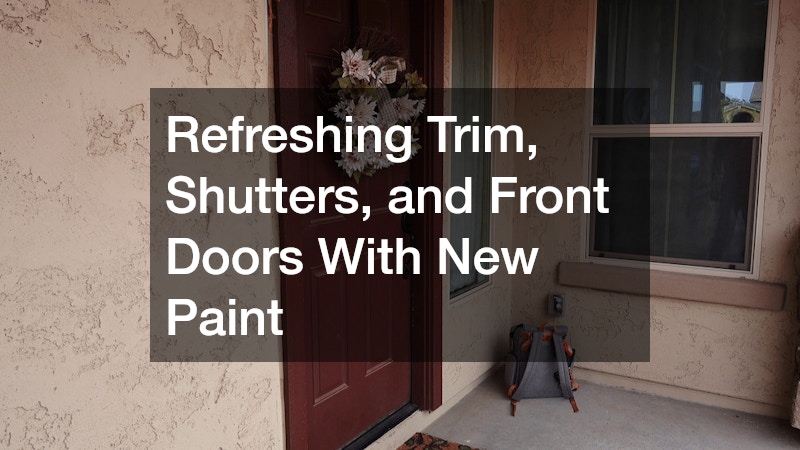
After a thorough cleaning, painted trim, shutters, and doors often show their age even more clearly, since the surrounding surfaces now look brighter by comparison. Chipped paint, faded color, and chalky residue that once blended into a dirty exterior suddenly stand out as obvious flaws. Fortunately, a fresh coat of paint on these accent areas is one of the most cost-effective ways to modernize a home’s exterior without repainting the entire house.
A gallon of quality exterior paint typically costs between $30 and $60, and most homes only need one to two gallons to cover the trim, shutters, and front door combined. That means a weekend’s worth of labor and under $150 in materials can meaningfully change how buyers perceive the whole property. Just be sure to use paint rated for exterior use and appropriate for the material, since wood, vinyl, and fiberglass often require different primers and finishes.
Popular choices include a bold front door color, such as navy, deep red, or forest green, paired with crisp white or black trim, which photographs well and appeals to a broad range of buyers. Black shutters against a light-colored siding remain a consistently strong seller in most markets, while overly personal or trendy hues are worth avoiding since they can turn off buyers who struggle to picture themselves in the home. Sticking to two or three coordinated colors across the whole exterior keeps the look cohesive rather than busy.
Before painting, take time to scrape away loose or peeling paint and lightly sand rough spots so the new coat adheres evenly. Two thin coats almost always look better and last longer than one thick one, and painter’s tape around glass or hardware saves cleanup time later. This small investment of effort tends to pay off well beyond its cost when listing photos and first impressions are on the line.
This is a project that can realistically be tackled in a weekend by a reasonably handy homeowner, especially if you’re only painting the door, shutters, and trim rather than full siding. A gallon of quality exterior paint runs $40-$70, and most homes only need one or two gallons total for these accent areas, making this one of the cheapest updates on a per-dollar-of-return basis.
The key is prep work: scraping loose paint, sanding rough spots, and caulking gaps will take up a good chunk of your Saturday, but skipping it is exactly what leads to peeling within a year. Plan on priming bare wood or metal before topcoating, and choose a satin or semi-gloss finish for doors and shutters since it holds up better to weather and wipes clean more easily than flat paint.
Color choice matters too — a classic black, navy, or deep green front door tends to appeal to a wider range of buyers than trendy or bold hues, and it pairs well with most existing siding colors. If you would rather not do it yourself, a local painting company can typically turn around this kind of small exterior refresh within a day or two, often scheduling it around your listing date. Getting a couple of quotes ahead of time is worth it, since pricing for this scope of work can vary quite a bit depending on your market and the condition of the existing paint.
- Front doors in navy, black, or deep red tend to perform well with buyers; a gallon of quality exterior paint runs $40-$60 and can be applied in an afternoon
- Shutters should match or complement the roof and siding tones — pull a color from your brick, stone, or roofing shingles to keep the palette cohesive
- Trim should be a clean, bright white unless your home has a specific design theme, since crisp trim makes siding and landscaping colors pop
- Use a paint-and-primer-in-one formula on trim for better durability against sun and moisture exposure
- Address numbers and mailbox posts are easy, low-cost finishing touches
- Consider swapping outdated house numbers for a modern matte black or brushed nickel set for under $30
- Don’t forget the garage door — repainting or refinishing it in a complementary tone ties the whole exterior color scheme together
Knowing When Full Exterior Painting Makes Financial Sense
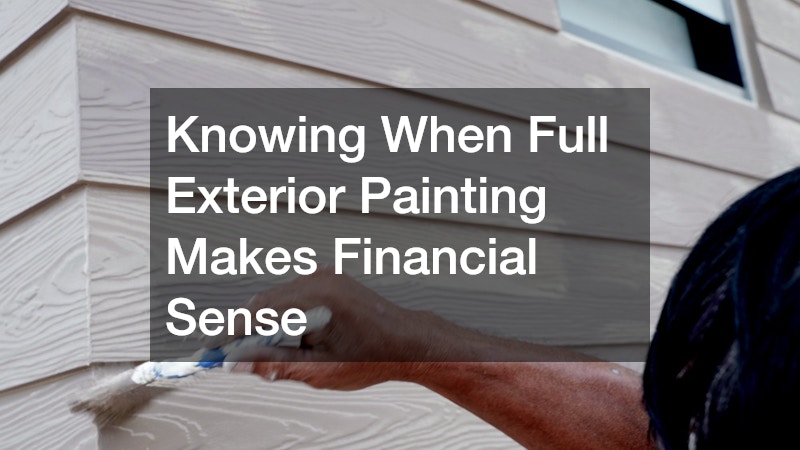
If your siding is peeling, chalky, or visibly faded in multiple spots, spot-touching won’t be enough to fool potential buyers. In these cases, a full exterior repaint may be worth the investment, particularly if your home has been unpainted for eight to ten years or more. Exterior painting is one of the few upgrades that appraisers and agents alike often cite as directly increasing perceived home value.
Before committing to this bigger project, get a few quotes from local painters so you understand your true cost versus potential return. Many homeowners are surprised to learn that a full exterior job costs less than they expected, especially when compared to the added dollars it can bring at closing.
Selecting Paint Colors That Appeal to the Widest Range of Buyers
Bold, personal color choices might suit your taste, but they can actually work against you when it’s time to sell. Buyers need to be able to picture themselves living in the home, and unusual color choices can be distracting or even off-putting during a showing. Sticking to neutral, timeless colors on major surfaces keeps the focus on the home’s features rather than its paint job.
A trip to your local paint store can help you compare current trending neutral shades against your home’s brick, stone, or roof tones before committing to a color. Many stores offer sample-sized cans so you can test a shade on a small section of your home and see how it looks in different lighting throughout the day.
- Warm grays and greige tones remain popular and versatile
- Soft white and cream shades work well for trim and doors
- Avoid highly saturated colors on large surfaces like full siding
- Test samples in both morning and evening light before finalizing
Refreshing Key Interior Rooms Without a Full Renovation
While exterior work makes the first impression, interior touch-ups seal the deal once buyers step inside. Focus your limited weekend hours on high-traffic, high-visibility rooms like the entryway, living room, and primary bedroom rather than trying to repaint the entire interior. Scuffed walls, outdated accent colors, and nail holes are quick fixes that make a noticeable difference in how fresh and updated a home feels.
If your weekend timeline is tight, consider hiring an interior painting contractor for just the rooms buyers will notice most, rather than tackling the whole house yourself. This targeted approach keeps costs reasonable while still delivering a noticeably fresher look throughout the home.
- Entryways and hallways set the tone for the rest of the tour
- Kitchens and bathrooms benefit most from bright, clean wall colors
- Bedrooms should feel neutral and calm rather than personalized
- Ceilings scuffed or yellowed from age are often overlooked but noticeable
Budgeting Wisely for a Weekend Pre-Sale Project

Before you start any project, set a realistic budget based on your home’s price point and local market conditions. Overspending on upgrades in a modest neighborhood rarely pays off proportionally, while underspending in a competitive, higher-end market can leave money on the table. A good rule of thumb is to spend one to three percent of your home’s expected sale price on cosmetic pre-listing improvements.
Comparing quotes from a few different painting services and cleaning companies in your area helps you understand the going rate and avoid overpaying. Many companies offer free estimates, so it costs nothing to get a clear picture of your options before committing to a plan.
- Get at least three quotes for any major exterior work
- Ask about bundled pricing for washing and painting together
- Factor in the cost of paint, supplies, and cleanup if doing it yourself
- Prioritize projects with the highest visual impact per dollar spent
Scheduling Your Weekend Project for Maximum Impact
Timing matters just as much as the work itself. Aim to complete your exterior cleaning and painting projects at least one to two weeks before your listing photos are scheduled, giving surfaces time to fully dry and cure. Weather is another key factor, since both washing and painting work best in mild, dry conditions without extreme heat or rain in the forecast.
Booking house painters and contractors early is essential, especially during spring and early summer when demand for outdoor home projects peaks. Reaching out to a few providers as soon as you decide to sell gives you the best chance of securing your preferred weekend before your listing goes live.
A single, well-planned weekend focused on cleaning and refreshing your home’s exterior and key interior spaces can meaningfully increase how buyers perceive your home’s value. Start by getting quotes, choosing the right colors, and scheduling your project early enough to avoid a last-minute scramble. With the right plan in place, this modest investment of time and money can pay off significantly when the offers start coming in.
