
Buying a home is one of the biggest milestones in life. It feels great to hold those keys and walk through your very own front door. However, owning a home is different from renting. When a pipe leaks or the lights flicker, you are the one in charge of fixing it. Regular maintenance is the secret to keeping your home safe and avoiding massive repair bills down the road.
If you stay on top of small tasks, you prevent them from turning into giant headaches. Think of your home like a car; it needs oil changes and tire rotations to keep running. Your house needs similar love and attention. In this guide, we will walk through the ten most important checks every new homeowner should perform to keep their property in tip-top shape.
1. Inspecting the Electrical System
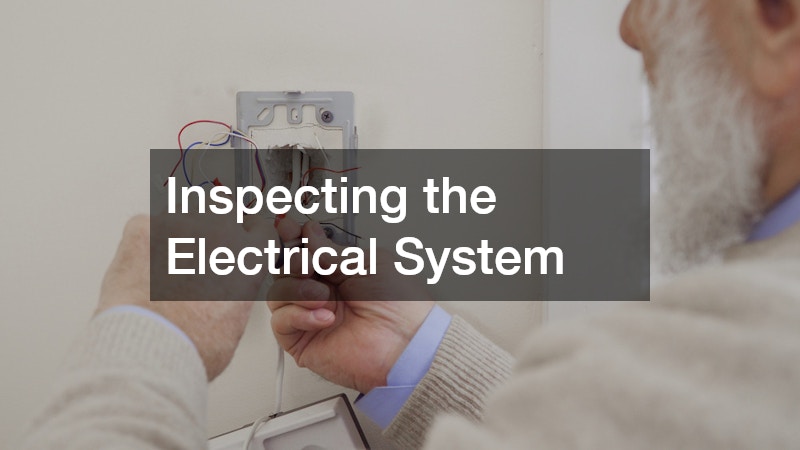
One of the first things you should do as a homeowner is get to know your electrical panel. Understanding how your power flows is vital for safety. If you notice flickering lights, warm outlet covers, or a breaker that trips constantly, it is time to call a local electrician. Electricity is not a DIY project for beginners because of the high risk of fire or shock.
- Label Your Breakers: Walk through the house and flip switches to see which breaker controls which room. Use a permanent marker to label them clearly.
- Test GFCI Outlets: These are the outlets with “Test” and “Reset” buttons found in kitchens and bathrooms. Press the test button once a month to ensure they cut power as they should.
- Check Extension Cords: Ensure you aren’t overusing extension cords for permanent appliances, as this can overheat your wiring.
A professional local electrician can also perform a whole-house surge protection installation. This protects your expensive computers, TVs, and kitchen appliances from sudden power spikes during summer storms.
2. Checking Windows and Exterior Seals
Your home’s exterior is its first line of defense against the weather. If you live in an area prone to high winds or severe storms, you should check the condition of every impact window in the house. These specialized windows are designed to stay intact even when hit by debris, but they only work if the frames and seals are in good condition.
- Look for Drafts: On a windy day, move a lit incense stick or a thin tissue around the edges of your windows. If the smoke or tissue moves, you have a leak.
- Caulk and Weatherstripping: Replace old, cracked caulk around the outside of the window frames to keep water from rotting your walls.
- Clean the Tracks: Dirt and pebbles in window tracks can prevent a tight seal, making your home less energy-efficient.
Having a high-quality impact window setup also helps with noise reduction and home security. If you find cracks in the glass or if the seals are failing, it is better to address them now before the next big storm hits your neighborhood.
3. Servicing the Cooling System
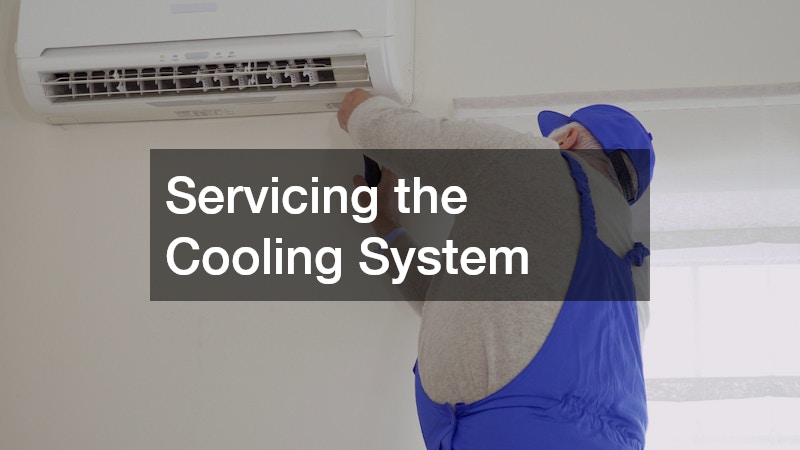
When the heat of summer arrives, the last thing you want is for your home to turn into an oven. Waiting until the hottest day of the year to turn on your air conditioner is a mistake. You should test the system in the spring and keep an eye out for signs that you might need ac repair services.
- Change Air Filters: This is the easiest and most important task. Change your filters every 30 to 90 days to keep the air flowing freely and cleanly.
- Clean the Condenser: The big unit outside can get clogged with leaves, grass clippings, and spider webs. Gently spray it with a garden hose to clear the debris.
- Listen for Noises: Squealing, banging, or grinding sounds are early warning signs that a motor or belt is about to fail.
Getting an ac repair professional to look at your unit once a year can extend the life of the machine by several years. They can check refrigerant levels and ensure the drainage lines aren’t clogged with algae or mold.
4. Monitoring the Plumbing and Drains
Water is a homeowner’s greatest enemy. Even a tiny drip can lead to thousands of dollars in mold damage and structural rot. You should regularly inspect under every sink and around the base of your toilets. If you find a mystery puddle or a slow drain, calling a local plumber immediately is the smartest move you can make.
- Check the Water Heater: Look for signs of rust or leaking around the base of your water heater. Most units last about 10 to 12 years.
- Test Shut-off Valves: Every sink and toilet has a small valve to turn off the water. Turn these occasionally to make sure they aren’t “frozen” in place by mineral buildup.
- Avoid Chemical Cleaners: Harsh liquid drain cleaners can actually eat away at your pipes. Use a drain snake or a plunger instead.
A local plumber can also help you “flush” your water heater once a year. This removes the sediment that settles at the bottom, which helps the heater run more efficiently and provides you with hotter water for longer showers.
5. Examining the Roof and Gutters
The roof is the umbrella for your home. You don’t necessarily need to climb up there yourself, but you should use binoculars to look for missing shingles or tiles. Catching small roofing repairs early prevents water from entering your attic and ruining your insulation or ceiling drywall.
- Clear the Gutters: Clogged gutters cause water to back up under your shingles or pour down next to your foundation. Clean them every spring and fall.
- Check Flashings: Look at the metal pieces around chimneys and vents. These are common spots for leaks to start.
- Trim Overhanging Branches: Trees that touch your roof can rub off the protective granules on shingles or provide a highway for squirrels and raccoons to enter your attic.
If you see granules (which look like coarse black sand) in your gutters, it is a sign that your shingles are reaching the end of their life. Investing in minor roofing repairs now is much cheaper than a full roof replacement next year.
6. Testing the Heating System

Just like the cooling system, your heater needs attention before the first freeze. Whether you have a furnace, a heat pump, or a boiler, performing heating repairs in the autumn ensures your family stays warm all winter long. A malfunctioning heater can also be a safety hazard, especially if it uses natural gas.
- Check the Pilot Light: If you have a gas furnace, the flame should be a steady blue. A yellow or flickering flame could mean the burner is dirty or there is a carbon monoxide issue.
- Clear the Vents: Make sure furniture, curtains, or rugs aren’t blocking the heat registers in your rooms.
- Inspect the Humidifier: If your system has a built-in humidifier, change the water pad to prevent mold growth and keep the air from getting too dry.
Ignoring small heating repairs can lead to the system working twice as hard, which spikes your utility bills. It is also important to have a professional check the heat exchanger for cracks to ensure no dangerous gases are leaking into your living space.
7. Scheduling Annual HVAC Maintenance
While we have talked about heating and cooling separately, they are often part of one big system. Professional HVAC services cover the entire network of ducts, thermostats, and machinery that keeps your home comfortable. An annual “tune-up” is the best way to ensure everything is balanced and running efficiently.
- Duct Inspection: Over time, ducts can pull apart or develop holes, leaking expensive conditioned air into your crawlspace or attic.
- Thermostat Calibration: Ensure your thermostat is reading the temperature correctly so you aren’t paying for more heating or cooling than you need.
- System Balancing: A technician can adjust the dampers in your ductwork to make sure every room in the house gets the right amount of airflow.
Using professional HVAC services also keeps your manufacturer’s warranty valid. Many companies will not honor a warranty claim if you cannot prove that the system was maintained by a pro every year.
8. Prioritizing Fire and Life Safety
Safety should always be your top priority. As a new homeowner, you are responsible for the systems that detect danger. Proper fire safety starts with working smoke detectors and a plan for what to do if they go off. This is a “set it and forget it” area that you simply cannot afford to forget.
- Replace Batteries: Change the batteries in your smoke and carbon monoxide detectors every six months. A good trick is to do this when the clocks change for Daylight Saving Time.
- Check Expiration Dates: Most smoke detectors only last 10 years. Look for the manufacture date on the back of the unit.
- Fire Extinguishers: Keep at least one fire extinguisher in the kitchen and one on every floor. Make sure they are charged (the needle should be in the green zone).
Enhancing your fire safety also includes cleaning your dryer vent. Lint buildup in the dryer hose is one of the leading causes of house fires in the United States. Pull the dryer out and vacuum the hose at least once a year.
9. Managing the Yard and Perimeter

The land around your house affects the house itself. Poor yard maintenance can lead to water pooling against your foundation or pests finding their way into your walls. A well-kept yard isn’t just about looking good for the neighbors; it’s about protecting your structure.
- Check the Grade: The ground should slope away from your house. If you see water pooling near the walls after a rain, you may need to add soil to change the slope.
- Inspect the Foundation: Walk around the perimeter and look for cracks. Small hairline cracks are often normal settling, but anything wider than a pencil should be checked.
- Pest Control: Keep mulch and firewood piles at least a few feet away from the side of the house to discourage termites and ants from moving in.
Consistent yard maintenance also includes keeping bushes trimmed away from your AC unit and ensuring that your sprinkler heads aren’t spraying directly against the siding or windows, which can cause rot over time.
10. Caring for Your Floors and Surfaces
The surfaces you walk on every day take a lot of abuse. Whether you have hardwood, carpet, tile, or laminate, proper care prevents premature wear. If your floors are starting to look dull, scratched, or stained, a professional flooring service can help restore them to their original beauty.
- Deep Clean Carpets: Rent a steam cleaner or hire a pro once a year to remove deep-seated dirt and allergens that a vacuum can’t reach.
- Seal Tile Grout: Grout is porous and soaks up spills. Applying a sealer once a year keeps your floors looking new and prevents mold growth.
- Use Furniture Pads: Put felt pads under the legs of chairs and tables to prevent deep scratches in wood or laminate flooring.
If you have hardwood floors that are heavily scratched, a flooring service can sand and refinish them. This is much cheaper than replacing the entire floor and can make your home feel brand new again.
Putting It All Together: Your Maintenance Calendar
It can feel overwhelming to think about all these tasks at once. The best way to handle home maintenance is to break it down into a calendar. You don’t have to do everything in one weekend!
Spring Tasks
Spring is all about cleaning up after winter and getting ready for the heat.
- Clean gutters and check for roofing repairs.
- Schedule a visit for HVAC services to prep the AC.
- Inspect the yard and start your yard maintenance routine.
Summer Tasks
Summer is the time to focus on the exterior and cooling.
- Check your impact window seals and caulk.
- Wash the exterior of the house to prevent mold and mildew.
- Clean the grill and check outdoor electrical outlets with a local electrician.
Fall Tasks
Fall is about sealing the house and preparing for the cold.
- Schedule heating repairs or a furnace tune-up.
- Check your fire safety equipment and change detector batteries.
- Have a local plumber drain your outdoor spigots so the pipes don’t freeze.
Winter Tasks
Winter is for indoor projects and monitoring.
- Deep clean the house and call a flooring service for carpet or wood care.
- Check under sinks for leaks and test your sump pump.
- Organize your files, including warranties and receipts for home improvements.
Why Professional Help Matters
You might be tempted to save money by doing everything yourself. While DIY is great for painting a room or planting flowers, some things require a pro. Systems like electricity, plumbing, and HVAC are complex.
- Safety: A local electrician knows how to handle high voltage safely. One mistake on your own could lead to a fire.
- Specialized Tools: HVAC services use expensive gauges and sensors to find leaks that you can’t see or hear.
- Warranties: Many home warranties and insurance policies require that major repairs be performed by licensed contractors.
- Resale Value: When you eventually sell your home, having a record of professional maintenance and roofing repairs will give buyers confidence and help you get a better price.
Conclusion
Being a homeowner is a big responsibility, but it is also very rewarding. By staying on top of these ten critical checks, you are doing more than just “fixing things.” You are protecting your family, your finances, and your future.
Start small. This weekend, test your smoke detectors and look under your sinks. Next weekend, walk around the outside of your house and look at your windows and roof. Before you know it, you will have a deep understanding of how your home works and how to keep it running perfectly.
Whether you need a local plumber for a small leak or heating repairs before a cold snap, don’t be afraid to reach out to experts. They are part of your team in making your house a safe, comfortable, and happy home for years to come.
