

Owning a home is one of the most significant investments most people will ever make, yet many homeowners unintentionally shorten the lifespan of that investment by reacting to problems instead of anticipating them. Small issues that seem harmless at first—minor leaks, subtle cracks, or inconsistent electrical performance—often develop quietly until they become expensive emergencies. Proactive maintenance creates an opportunity to identify wear, environmental stress, and system inefficiencies before they escalate into disruptive and costly repairs.
Preventive home care strategies are not about constant renovations or unnecessary upgrades. Instead, they focus on routine observation, timely servicing, and informed decision-making. When homeowners understand how different systems interact and age over time, they can schedule care that aligns with realistic usage patterns, climate conditions, and property layout. This approach protects both structural integrity and daily comfort while reducing the likelihood of surprise expenses.
Another benefit of proactive upkeep is budget control. Emergency repairs often come with premium pricing, limited contractor availability, and urgent timelines that reduce choice. Planning allows homeowners to compare options, schedule services during off-peak seasons, and allocate funds more efficiently. Over time, this disciplined approach preserves property value and minimizes stress.
The following sections explore how focusing on specific areas of the home supports long-term durability and financial stability. Each topic highlights how intentional maintenance decisions contribute to fewer disruptions, safer living conditions, and a stronger return on homeownership.
Addressing Moisture and Air Quality Issues Before They Escalate
Moisture is one of the most persistent threats to residential structures, often working unnoticed behind walls, under flooring, or within attics. Left unchecked, excess humidity and hidden leaks create ideal conditions for biological growth that can compromise indoor air quality and damage building materials. Early detection and response are essential for protecting both health and structural components. Homeowners who monitor humidity levels, inspect ventilation paths, and address water intrusion promptly reduce the likelihood of extensive remediation later.
When moisture problems are ignored, they tend to spread beyond the source. What begins as a small leak near a window or plumbing fixture can migrate into framing, insulation, and drywall. Over time, this weakens load-bearing elements and creates odors that are difficult to eliminate. Partnering with a mold removal company at the first sign of persistent dampness or visible growth can stop this progression and prevent contamination from spreading through HVAC systems.
This proactive mindset reflects the broader value of preventive home care by prioritizing early intervention over reaction. Routine inspections of crawl spaces, basements, and bathrooms help homeowners identify subtle warning signs, such as peeling paint or condensation buildup. Addressing these indicators early often requires far less invasive work than full-scale restoration.
Beyond structural protection, maintaining healthy indoor air quality supports occupant well-being. Poor air quality can exacerbate respiratory issues and allergies, leading to discomfort and ongoing health concerns. By staying ahead of moisture-related problems, homeowners create a cleaner, more stable living environment while avoiding the higher costs associated with advanced damage and long-term exposure risks.
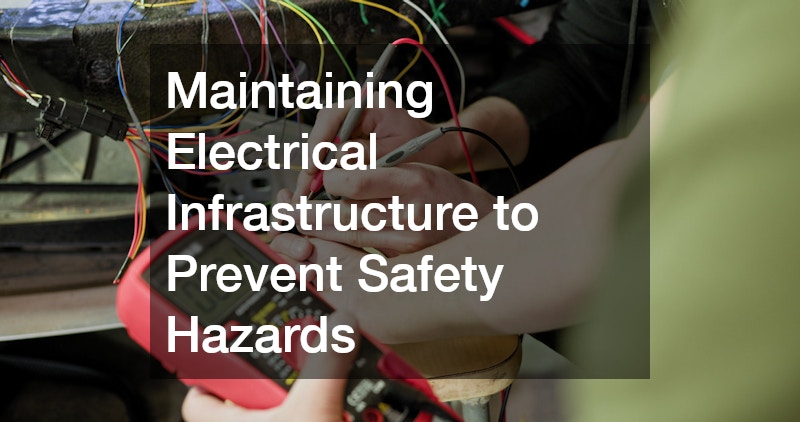
Maintaining Electrical Infrastructure to Prevent Safety Hazards
Electrical systems are central to nearly every aspect of modern living, yet they are frequently overlooked until something stops working. Aging wiring, overloaded circuits, and outdated panels can quietly increase the risk of fire, equipment damage, and power interruptions. Regular evaluation of electrical components helps ensure that systems are operating within safe limits and in compliance with current standards.
Scheduling routine assessments with professionals who provide electrical services allows potential issues to be identified before they become emergencies. Flickering lights, warm outlets, or frequently tripped breakers often signal deeper problems within the system. Addressing these signs early reduces the likelihood of sudden failures that can disrupt daily routines or damage sensitive electronics.
This approach aligns closely with preventive home care because it emphasizes consistency and foresight. Homes evolve as new appliances, technology, and power demands are added. Without periodic updates, older systems may struggle to support modern usage safely. Proactive maintenance ensures that the electrical infrastructure adapts alongside lifestyle changes. In addition to safety benefits, well-maintained electrical systems improve efficiency. Properly balanced circuits and updated components reduce energy waste and help appliances perform as intended. Over the long term, this contributes to lower utility costs and fewer unexpected repairs. By treating electrical upkeep as an ongoing responsibility rather than a one-time task, homeowners protect both their property and the people who live within it.
Reducing Long-Term Risk Through Professional Electrical Oversight
While general inspections are helpful, there is added value in working with qualified professionals who understand residential systems in detail. Trained residential electricians bring specialized knowledge that allows them to identify subtle issues that may not be visible to the untrained eye. Their expertise helps ensure that repairs and upgrades are performed correctly the first time, reducing the chance of recurring problems.
Homes built decades ago often contain wiring methods or materials that are no longer considered best practice. Even if these systems appear functional, they may pose hidden risks under increased electrical loads. Professional evaluations help homeowners prioritize upgrades based on actual conditions rather than guesswork. This strategic planning is a core principle of preventive home care, as it focuses resources where they will have the greatest impact.
Another advantage of professional oversight is documentation. Keeping records of inspections, repairs, and upgrades creates a clear maintenance history that can be valuable during resale or insurance evaluations. It demonstrates responsible ownership and reduces uncertainty for future occupants. This transparency often contributes to higher property value and smoother transactions. By integrating expert electrical assessments into a regular maintenance schedule, homeowners minimize the likelihood of sudden outages, fire hazards, or code violations. Over time, this steady attention reduces repair costs and enhances overall reliability, reinforcing the long-term benefits of proactive planning.
Protecting Power Reliability During Unexpected Outages
Power disruptions are becoming more common due to severe weather, aging infrastructure, and increased demand. When outages occur, they can interrupt heating and cooling systems, damage appliances, and create safety concerns. Preparing for these scenarios is an important part of maintaining a resilient home environment.
Installing a backup generator provides continuity during power interruptions, allowing essential systems to remain operational. This preparation supports preventive home care by reducing the strain that sudden shutdowns can place on electrical components and mechanical equipment. Systems that are powered down abruptly are more susceptible to damage when electricity is restored, especially if surges occur.
Beyond convenience, reliable backup power protects critical household functions. Refrigeration, medical devices, and security systems can continue operating, preventing secondary losses and safety risks. Over time, this reliability reduces the cumulative impact of repeated outages on home systems. Planning for power continuity also encourages homeowners to assess overall energy usage and prioritize essential circuits. This evaluation often leads to improvements in efficiency and load management. By anticipating disruptions rather than reacting to them, homeowners maintain greater control over their environment and avoid the costly consequences of prolonged downtime.

Managing Water Quality to Preserve Plumbing Systems
Water quality plays a significant role in the longevity of household plumbing and appliances. Hard water, mineral buildup, and sediment can gradually reduce efficiency and cause premature wear in pipes, fixtures, and water-using devices. Addressing these issues early helps prevent blockages, leaks, and corrosion.
Professional water softener installation mitigates mineral accumulation by treating water before it circulates through the home. This proactive measure supports preventive home care by extending the lifespan of plumbing infrastructure and reducing maintenance demands. Appliances such as dishwashers and water heaters perform more efficiently when mineral deposits are minimized.
Improved water quality also enhances daily comfort. Softer water reduces soap residue, improves cleaning effectiveness, and helps maintain the appearance of fixtures and surfaces. These benefits accumulate over time, lowering replacement costs and preserving finishes. By viewing water treatment as a foundational component of home maintenance, homeowners reduce the likelihood of unexpected plumbing failures. This strategic approach protects both visible and hidden systems, reinforcing the financial and functional advantages of consistent care.
Preventing Plumbing Emergencies Through Routine Maintenance
Plumbing systems operate largely out of sight, making it easy to overlook early warning signs of trouble. Slow drains, minor leaks, and fluctuating water pressure often indicate developing issues that can worsen if ignored. Regular evaluations help identify vulnerabilities before they result in extensive damage. Engaging providers of plumbing services for periodic inspections allows small problems to be resolved efficiently. This practice aligns with preventive home care by addressing wear and tear as part of a planned schedule rather than during an emergency. Proactive repairs typically require less labor and fewer materials, reducing overall costs.
Consistent plumbing maintenance also protects surrounding structures. Water damage can compromise flooring, cabinetry, and walls, leading to secondary repairs that far exceed the cost of the original fix. Early intervention minimizes these cascading effects. Over time, routine plumbing oversight contributes to system reliability and peace of mind. Homeowners who invest in ongoing care experience fewer disruptions and maintain better control over maintenance expenses, reinforcing the long-term value of anticipation over reaction.

Extending Structural Longevity Through Roof and Exterior Attention
The roof serves as the first line of defense against environmental exposure, yet it is often inspected only after visible damage occurs. Weather, temperature fluctuations, and debris gradually degrade roofing materials, increasing the risk of leaks and structural compromise. Sun exposure can cause shingles to dry out and crack, while repeated freeze-thaw cycles allow moisture to expand within small gaps. Over time, these factors weaken protective layers and create entry points for water. Regular evaluations help identify areas of concern before water intrusion spreads into insulation, framing, or interior surfaces.
Planning for roof replacement at the appropriate time is a strategic element of preventive home care. Replacing aging materials before failure prevents interior damage and preserves insulation performance, which directly affects energy efficiency and comfort. Waiting too long often leads to hidden rot, mold development, and damaged ceilings that significantly increase project scope and cost. Proactive replacement allows homeowners to schedule work during favorable conditions rather than reacting to urgent leaks during storms or extreme temperatures.
In addition to replacement planning, working with providers of roofing services for routine inspections ensures that minor issues such as loose shingles, worn sealants, or flashing gaps are corrected promptly. These small adjustments can significantly extend the roof’s lifespan by preventing moisture from reaching vulnerable areas. Inspections also offer an opportunity to assess gutters, downspouts, and exterior drainage patterns that influence how water moves away from the structure. By prioritizing exterior maintenance, homeowners protect their framing, ceilings, and interior finishes from moisture damage, while also preserving their curb appeal. Over the long term, this attention stabilizes maintenance budgets, reduces emergency repair scenarios, and supports consistent property value through documented care and structural reliability.